Our Markets · Canadian Rockies
Commercial Real Estate Across the Bow Valley
Three distinct markets. One expert team. From Canmore’s freehold commercial corridor to the leasehold environments of Banff National Park and Lake Louise — we know every nuance of each.
The Corridor at a Glance
Three Markets. One Corridor.
Alberta Municipality · Freehold
Canmore
The Bow Valley’s only incorporated municipality outside Banff National Park. The commercial engine of the corridor, with full freehold title, municipal development authority, and the fastest-growing commercial market in mountain Alberta.
Vacancy
National Park · Crown Leasehold
Banff
National Park · Extreme Scarcity
Lake Louise
N.America
Season
Alberta · Bow Valley · Freehold
The Bow Valley's Commercial Engine
Canmore is the only incorporated municipality in the Bow Valley corridor that sits outside the boundaries of Banff National Park — giving it the regulatory flexibility that Banff and Lake Louise simply cannot offer. This makes Canmore the primary location for commercial development, business growth, and investment in the region.
With a permanent population exceeding 16,000 and growing, a highly educated and affluent workforce, and a tourism economy generating consistent year-round demand, Canmore’s commercial market is outperforming every comparable Alberta market.
Why Canmore Is Different
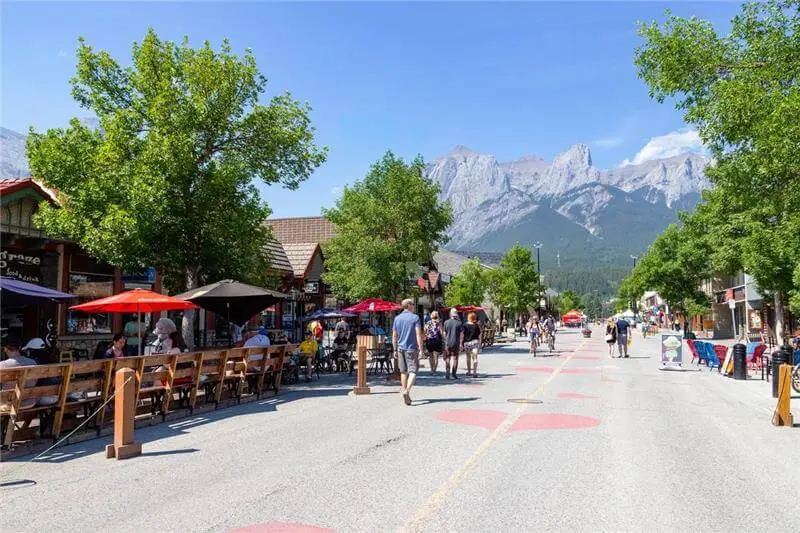
Main Street, Canmore — Summer
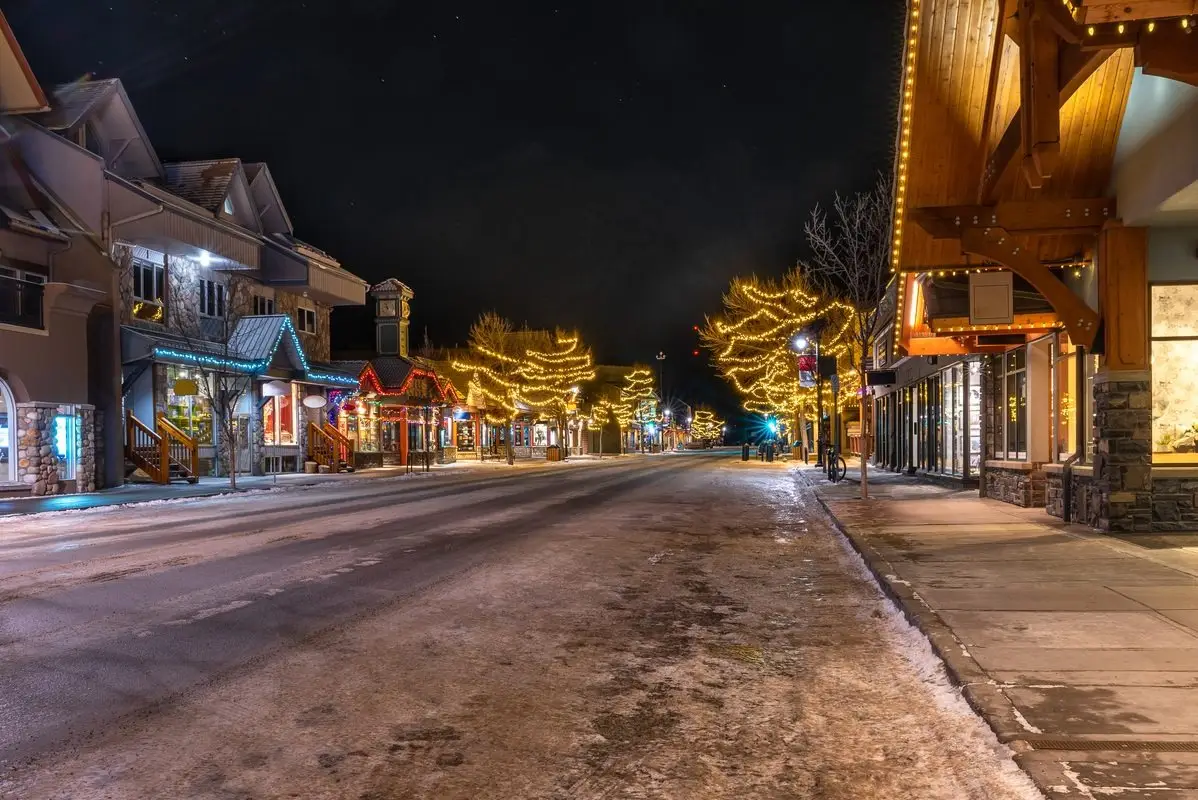
Main Street — Winter Evening
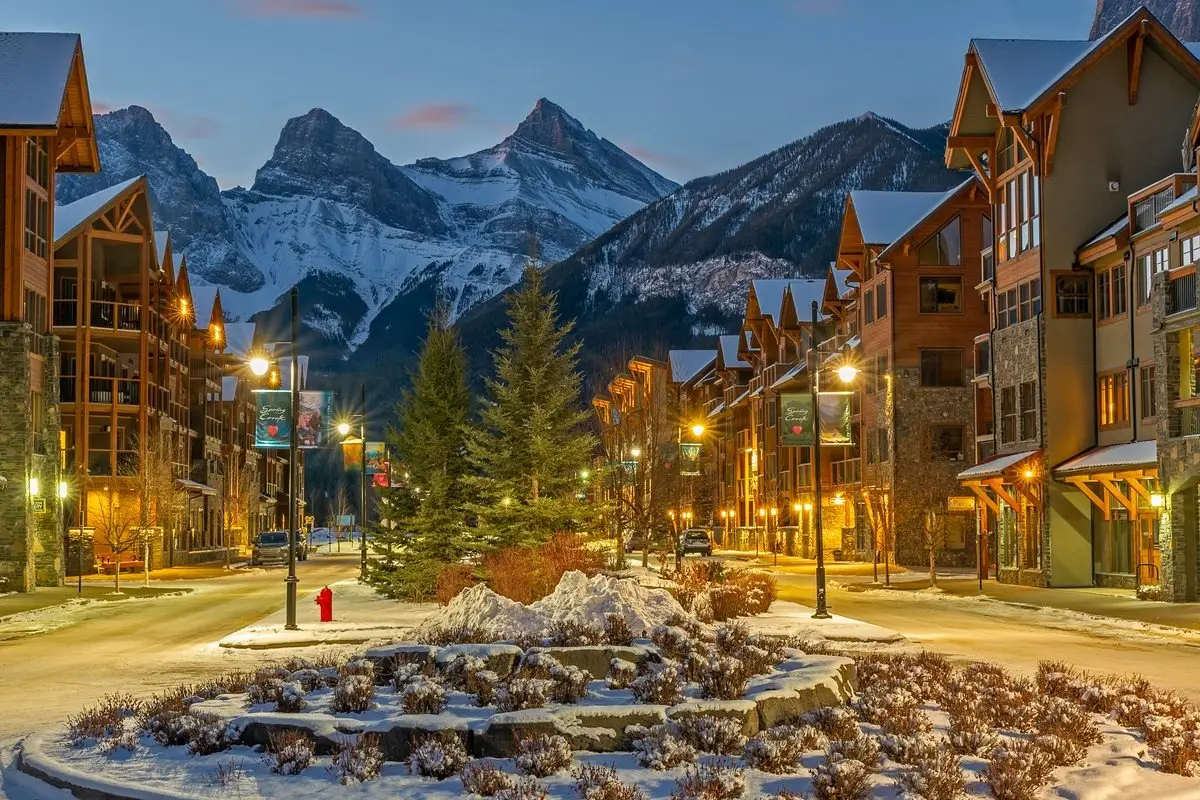
Spring Creek Development
What Drives the Market
Year-round mountain tourism — ski, hiking, cycling, and major events
Gateway position to Banff National Park, Canada's most visited
1.4M+ Calgary residents within 90 minutes, driving day-trip and weekend spend
Growing remote-worker and semi-permanent resident base raising disposable income
Major international events: Ironman, marathon, Nordic World Cup
Fixed land supply creates sustained upward pressure on commercial values
Ski corridor demand from Banff, Lake Louise, Nakiska, and Sunshine
| Designation | Overview |
|---|---|
| Town Centre | Core retail, F&B, and mixed-use. Highest foot traffic; prime street-level retail. |
| General Commercial | Broader commercial uses including service retail, automotive, and office. |
| Tourist Accommodation | Hotels, lodges, and visitor accommodation. Supply-constrained designation. |
| Industrial (Rundleview) | Light industrial and trade businesses. Increasingly in demand from trades. |
| Direct Control | Site-specific districts for complex mixed-use and development parcels. |
Key Commercial Zones
Commercial transactions in Canmore require advisors who understand not just pricing, but the zoning, planning, and regulatory environment that shapes every asset’s potential.
Exploring a Canmore opportunity?
National Park · Crown Leasehold · Banff, Alberta
Canada's Most Iconic
Commercial Address
Banff is one of the most visited destinations on earth, welcoming over four million visitors annually to a townsite of fewer than 8,000 permanent residents. Commercial real estate here operates under an entirely different framework than anywhere else in Canada — governed by Parks Canada and the National Parks Act rather than a municipal government.
All commercial land in Banff is held on long-term lease from the Crown. Buyers acquire a leasehold interest, not freehold title. This unique structure creates both complexity and opportunity — and it is precisely where deep expertise matters most.
Understanding Banff Leasehold
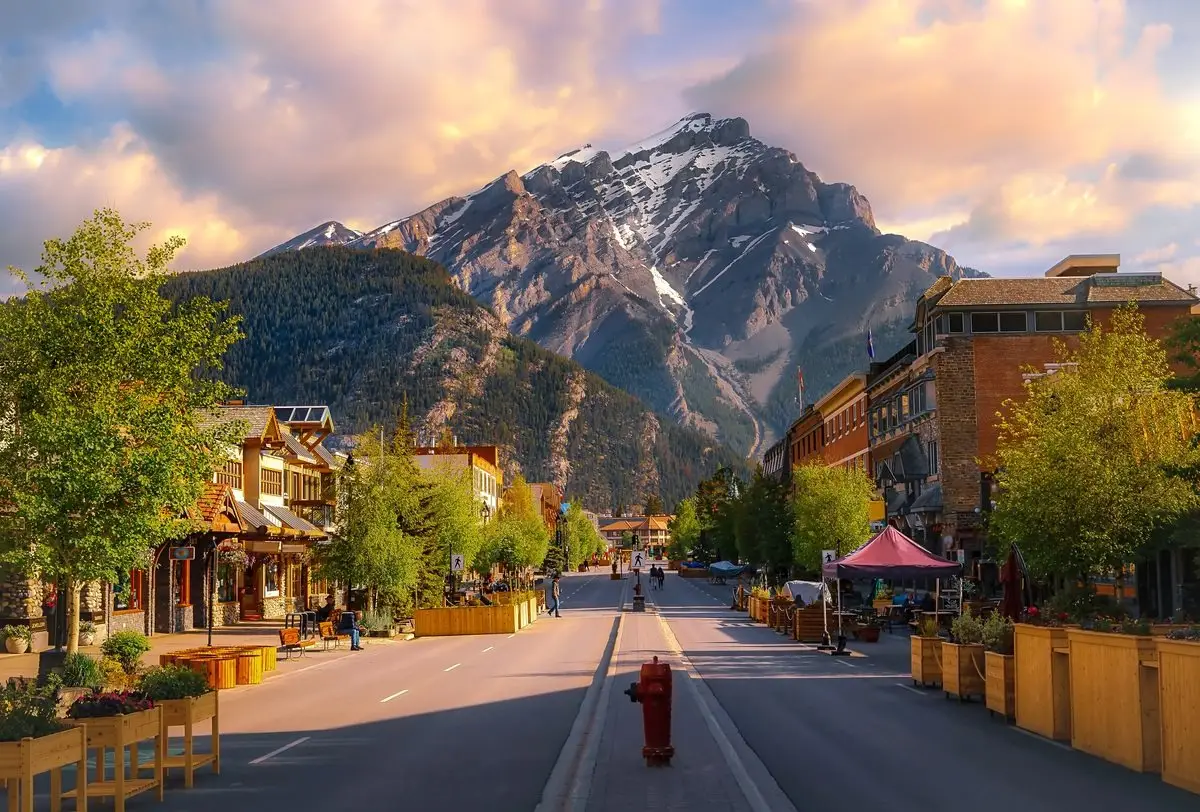
Banff Avenue — Golden Hour
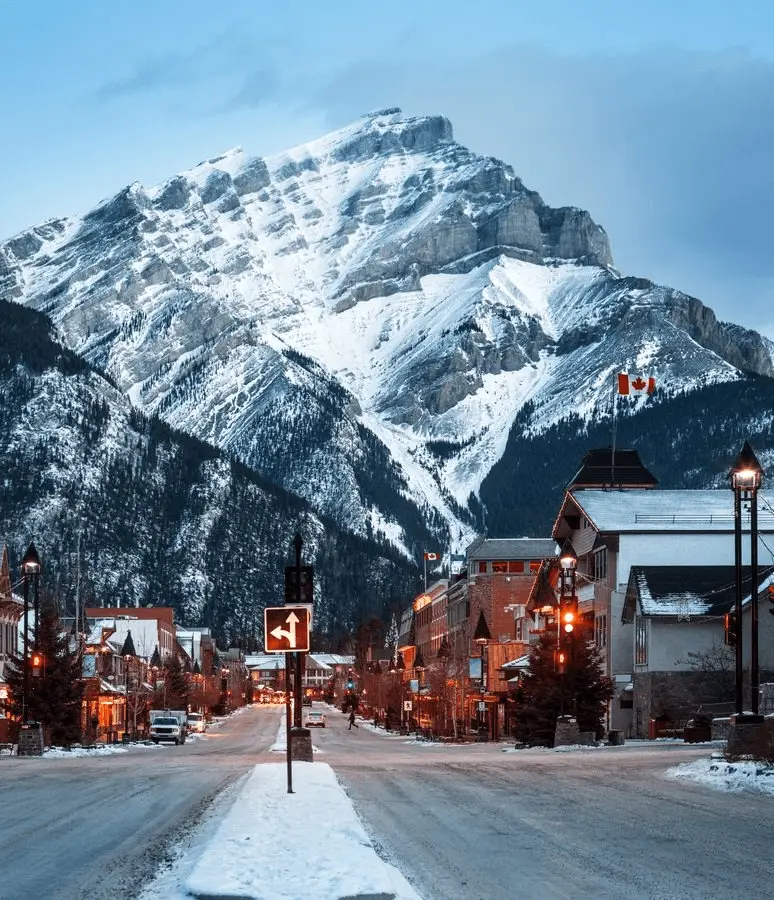
Banff Ave — Winter
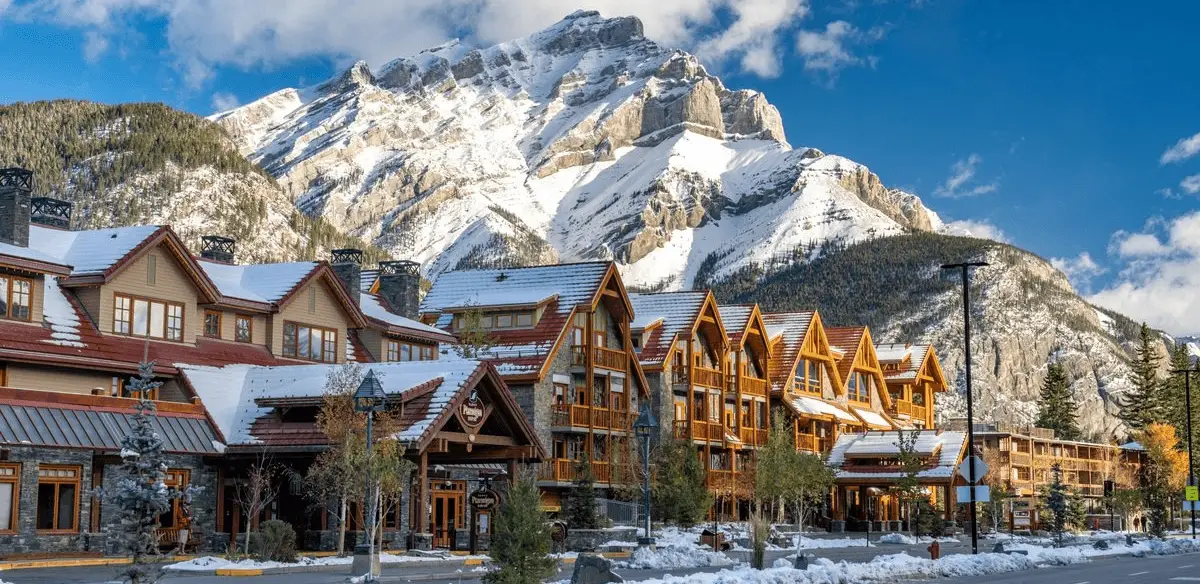
Banff Hotel Corridor
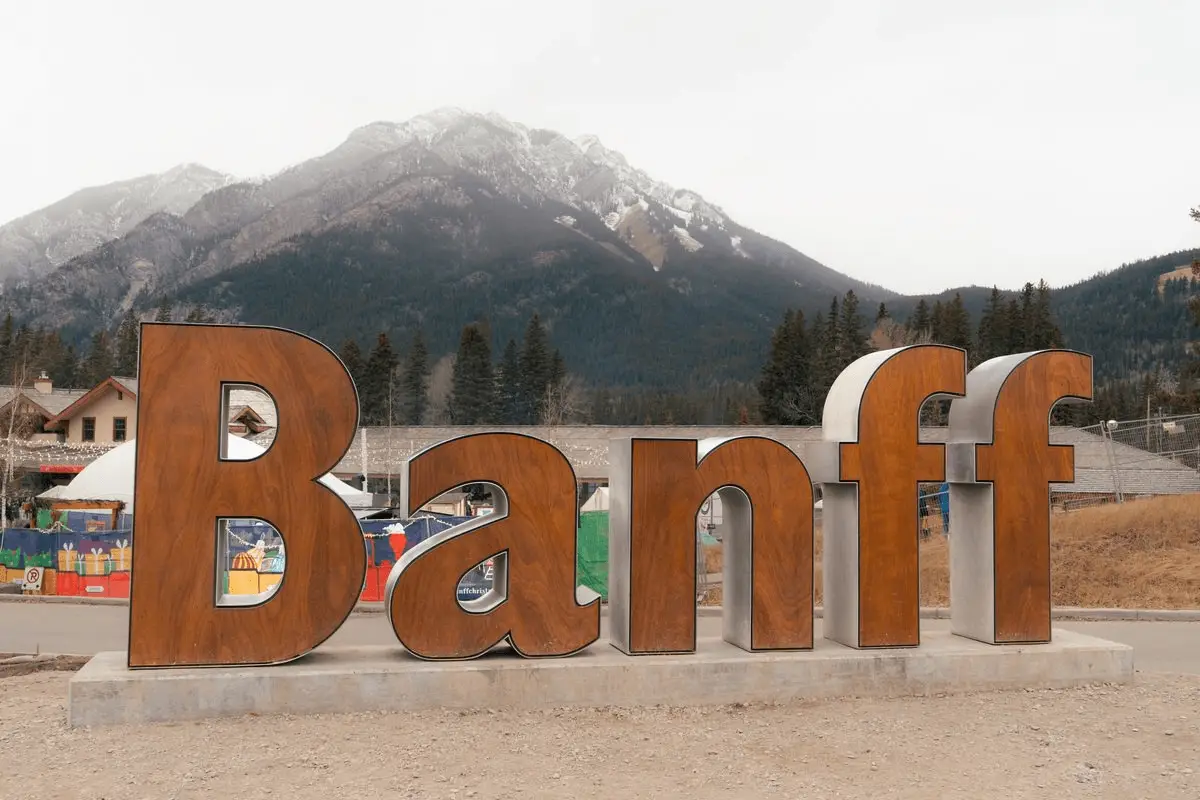
Banff Avenue — Golden Hour
Economic Drivers
100% tourism economy — no industrial or resource dilution
Banff Avenue: one of Canada's highest retail sales-per-square-foot corridors
World-class ski at Sunshine, Lake Louise, and Mt. Norquay
International hotel brands anchor ADR and occupancy benchmarks
Zero new commercial supply possible within the townsite boundary
Inbound international visitors from the US, UK, Australia, and Asia drive premium spend
Rocky Mountaineer, Pursuit, and major tourism operators bring high-yield traffic
Leasehold Transaction Process
Parties negotiate sale subject to Parks Canada transfer approval
Parks Canada reviews buyer qualifications and intended use
Annual rent adjusted to reflect current assessed land value at renewal
Improvements (buildings) are purchased at full market value
Heritage overlay governs façade and exterior on many properties
Major lenders (BMO, RBC, TD) lend on qualifying Banff leaseholds
Legal counsel with Parks Canada experience strongly advised
Key Commercial Zones
Banff commercial transactions require advisors who know Parks Canada's process.
National Park · Leasehold · Lake Louise, Alberta
The World's Most Photographed Lake
Lake Louise draws visitors from every corner of the globe to witness one of the most spectacular alpine settings on earth. The Chateau Lake Louise alone welcomes over half a million guests annually, and the Lake Louise ski resort consistently ranks among the top ski destinations in North America.
Commercial real estate in Lake Louise is even more supply-constrained than Banff, with the commercial village core comprising only a handful of properties. When an opportunity arises here, it is genuinely rare — and requires advisors with the relationship network to know it’s available before anyone else does.
Market Rarity & Access
Global
Top 5
Ultra
Year-Rd
Parks CA
Rare
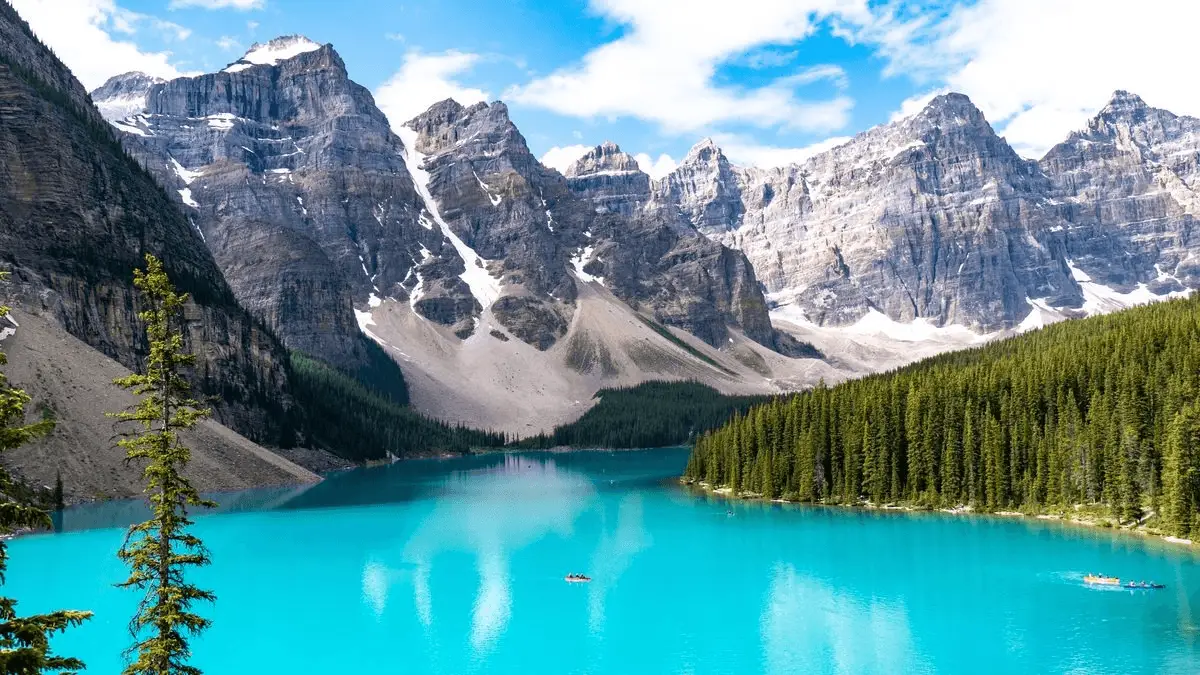
Lake Louise - Summer
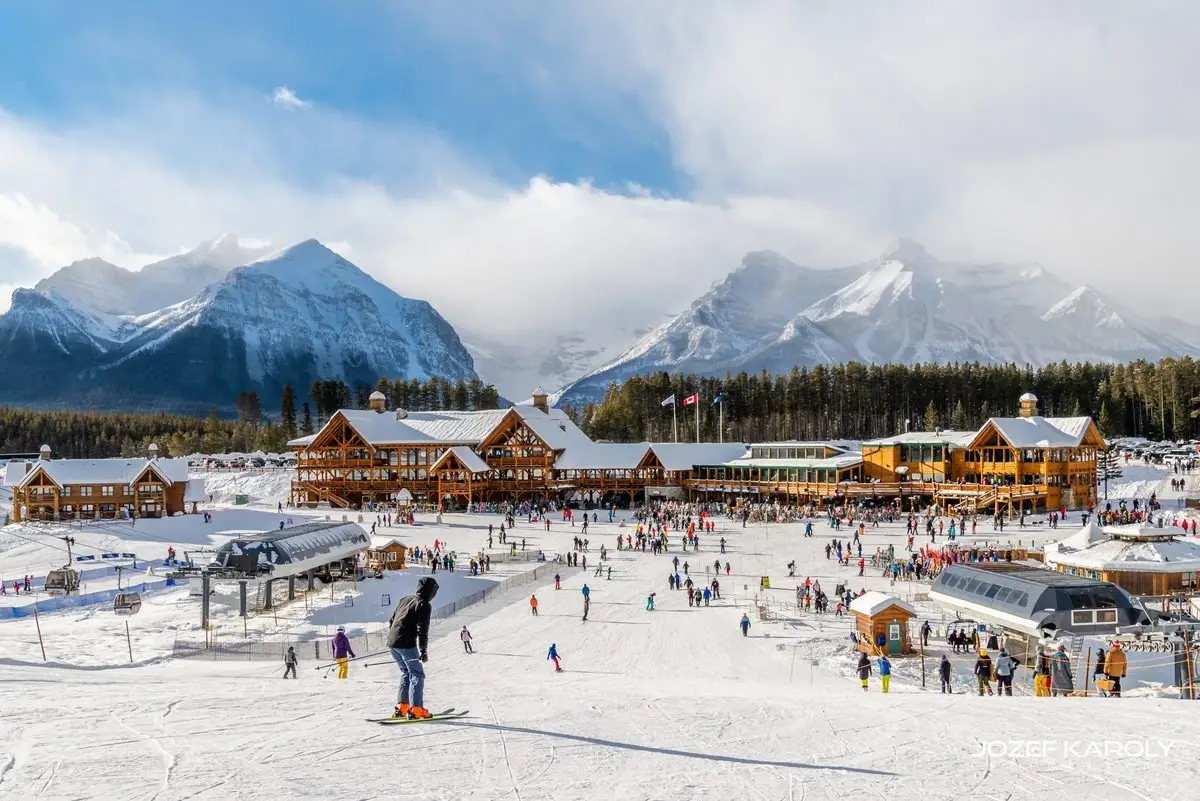
Lake Louise Ski Resort
What Drives Lake Louise
Chateau Lake Louise: anchor luxury property drawing premium international visitors year-round
Lake Louise Ski Resort: 4,200 acres, among North America's top five ranked destinations
World Cup downhill ski events — global broadcast exposure to the destination
Icefields Parkway gateway: one of the world's most scenic drives
Fixed land supply creates sustained upward pressure on commercial values
Year-round tourism with distinct summer (hiking, canoeing) and winter (ski, ice) seasons
Extremely limited commercial node creates exceptional scarcity premium
Market Characteristics
All land held on Parks Canada Crown leasehold — identical framework to Banff townsite
Commercial node is extraordinarily compact, confined to the Lake Louise village
Transactions are rare, relationship-driven, and often pre-negotiated before any listing
Ski resort and Chateau proximity commands strong F&B and accommodation premiums
International operator and institutional buyer interest is consistent and high
Parks Canada design and heritage guidelines apply to all improvements
Asset Classes We Advise On
Interested in a Lake Louise commercial asset?
Our Markets · Canadian Rockies
Compare the Three Markets
A structured look at the key variables that distinguish Canmore, Banff, and Lake Louise for commercial buyers, sellers, and investors.
| Canmore Alberta Municipality | Banff National Park Leasehold | Lake Louise National Park Leasehold | |
|---|---|---|---|
| Land Tenure | Freehold — full ownership | Crown Leasehold (Parks Canada) | Crown Leasehold (Parks Canada) |
| Governing Authority | Town of Canmore — Municipal | Parks Canada — Federal | Parks Canada — Federal |
| New Commercial Supply | Severely constrained by park boundary | Effectively zero — no expansion possible | Zero — commercial node is fixed |
| Annual Visitors | 3.5M+ | 4M+ | Included in Banff Park total |
| Permanent Population | 16,000+ | ~8,000 | ~1,000 |
| Typical Cap Rates | 6 – 7% | 5 – 6.5% | 4.5 – 6% (scarcity premium) |
| Financing | Standard conventional financing | Leasehold lending — major banks lend | Leasehold lending — major banks lend |
| Transfer Approval | No special approval — standard CRE process | Parks Canada approval required | Parks Canada approval required |
| Development Permitting | Town of Canmore planning department | Parks Canada + heritage overlay | Parks Canada + heritage overlay |
| Transaction Frequency | Active — multiple transactions per year | Moderate — market is constrained | Rare — relationship access essential |
| Tourism Mix | Domestic + international; strong Calgary base | International-dominant; US, UK, Asia, Aus | Ultra-premium international; Chateau-anchored |
| Best For | Development, retail, mixed-use, hotels | Hospitality, retail, going-concern | Ultra-rare hospitality + F&B acquisitions |
How We Help
Market-Specific Advisory Services
Our advisory offering is shaped around the distinct requirements of each market. Not every service is relevant in every market — here’s what we do, where.
Canmore · Banff · Lake Louise
Off-Market Sourcing & Deal Access
Direct owner outreach on target assets
NDA management and buyer qualification
All Three Markets
Valuation & Investment Analysis
Banff · Lake Louise
Parks Canada Process Navigation
Canmore · Development
Development & Land Use Advisory
All Three Markets
Hotel & Hospitality Transactions
Canmore · Banff
Lease Advisory & Tenant Representation
Learn More
FAQ
Which Bow Valley market is freehold, and which is leasehold?
Canmore is freehold, governed by the Town of Canmore’s Land Use Bylaw. Banff and Lake Louise are both Crown leasehold, since they sit within Banff National Park and fall under Parks Canada and the National Parks Act instead of municipal planning authority.
Which Bow Valley market has the most commercial transaction activity?
Canmore sees the most active transaction volume of the three markets, with multiple deals closing per year. Banff’s market is more constrained, and Lake Louise transactions are rare, often relationship-driven and arranged before a property is ever formally listed.
Do I need different financing for leasehold versus freehold commercial property?
Not necessarily. Canmore freehold property uses standard conventional commercial financing. Banff and Lake Louise leasehold assets are financed differently in structure, but major Canadian lenders do lend against qualifying national park leaseholds, treating them similarly to freehold for well-positioned assets.
Which Bow Valley market is best suited to development?
Canmore is the primary market for commercial development, since it’s the only municipality in the corridor outside the national park boundary and has its own planning department. Banff and Lake Louise have effectively zero new commercial supply available under current park boundaries.
Which market is strongest for hotel and hospitality acquisitions?
All three markets support hospitality transactions, but each offers a different profile: Canmore for volume and freehold ownership, Banff for iconic, high-traffic leasehold assets, and Lake Louise for ultra-scarce, premium properties anchored by international ski and lake tourism.
Why is Canmore called the "commercial engine" of the Bow Valley?
Canmore is the only incorporated municipality in the Bow Valley corridor that sits outside Banff National Park’s boundary, which gives it planning flexibility that Banff and Lake Louise don’t have. That makes it the primary location in the region for commercial development, business growth, and investment.
What are the main commercial zoning designations in Canmore?
Canmore’s key commercial zones include Town Centre Commercial (core retail and F&B with the highest foot traffic), General Commercial, Tourist Accommodation District, Industrial (concentrated in Rundleview), and site-specific Direct Control districts for larger or mixed-use development parcels.
How do I find off-market commercial opportunities in Canmore?
Bow Valley Commercial maintains a confidential inventory of Canmore commercial opportunities that are never publicly advertised. Reaching out for a consultation is the way to get matched with relevant off-market properties as they become available.
Why is all commercial real estate in Banff leasehold?
Banff sits inside Banff National Park, so all land is owned by the Crown and administered by Parks Canada under the National Parks Act, not a municipal government. Buyers purchase a long-term leasehold interest in the land and outright ownership of the improvements built on it.
Who has to approve the sale of a Banff leasehold business or property?
Parks Canada approval is required for any ownership transfer of a Banff leasehold commercial property. The agency reviews the buyer’s qualifications and intended use as part of the transfer process, which is one of the more specialized steps in a Banff transaction.
What is the heritage overlay in Banff, and how does it affect a property?
Many properties in the Banff townsite core fall under a heritage character overlay, which means renovations, redevelopment, and exterior changes are subject to Parks Canada’s design standards. This preserves the townsite’s character but adds a review step that buyers should plan for.
What kinds of businesses does Bow Valley Commercial help buy and sell in Banff?
In Banff, the team advises on boutique hotels, retail storefronts, restaurants and other food and beverage businesses, mixed-use buildings, accommodation suites, and tourist homes, with particular depth in going-concern hospitality valuations and the Parks Canada transfer process.
How much commercial inventory exists in Lake Louise?
Very little. The commercial core of the Lake Louise village comprises fewer than a dozen properties, making it one of the most supply-constrained commercial markets in Canada. When an opportunity does come up, it’s a genuinely rare event.
How are Lake Louise commercial opportunities typically found?
Almost all Lake Louise commercial transactions happen through relationships rather than public listings, direct contact with owners, legal counsel, or advisors already embedded in the national park commercial community, often before any formal marketing process begins.
What types of commercial assets trade in Lake Louise?
The market is concentrated in hospitality assets, food and beverage operations, ski-adjacent retail, accommodation portfolios, service retail, and mixed-use space — almost all requiring off-market sourcing given how little inventory exists at any given time.